

Sea Freight Vehicle Shipping: A Complete Guide for International Car Export
Moving a car across borders might seem like a huge head splitter at first. All the paperwork, port clearances, custom rules and finding a trustworthy logistics crew, you just feel completely bogged down. But when you get right down to it, ocean transport remains the most popular and cost effective way to move automobiles anywhere around the globe. Whether you are an expat relocating for a fresh job, a classic car collector sending a prized possession to a buyer overseas, or a trader shipping a fleet of family cars, ocean transport gets the job done without breaking the bank.
The United Arab Emirates is now a massive global transit point for ocean transport. But to make sure your vehicle gets to its final destination without any headaches at the port, you need to understand how the system operates from start to finish.
Choosing Between Container and RoRo Transport
When you decide to transport your car by boat, the very first decision you need to make is how it actually travels on the water. You have two main choices here, and each comes with its own pros, cons and price tags.
Container Transport
If you want maximum protection for your motor, going with a dedicated or shared ocean box is usually your best bet. Your car is driven into a heavy duty steel box, strapped down tight to internal anchor points with heavy webbing and blocked with wheel chocks so it cannot budge an inch during heavy seas. Once the doors swing shut, a numbered security seal goes on, and it stays locked until the box reaches the destination port.
Using container shipping cars offers a couple of big perks. First, it protects your paint and glass completely from salt spray, humid air, and rough port handling. Second, it lets you pack personal belongings inside the boot or on the back seats, something ocean carriers strictly ban on open decks.
Roll-on/Roll-off
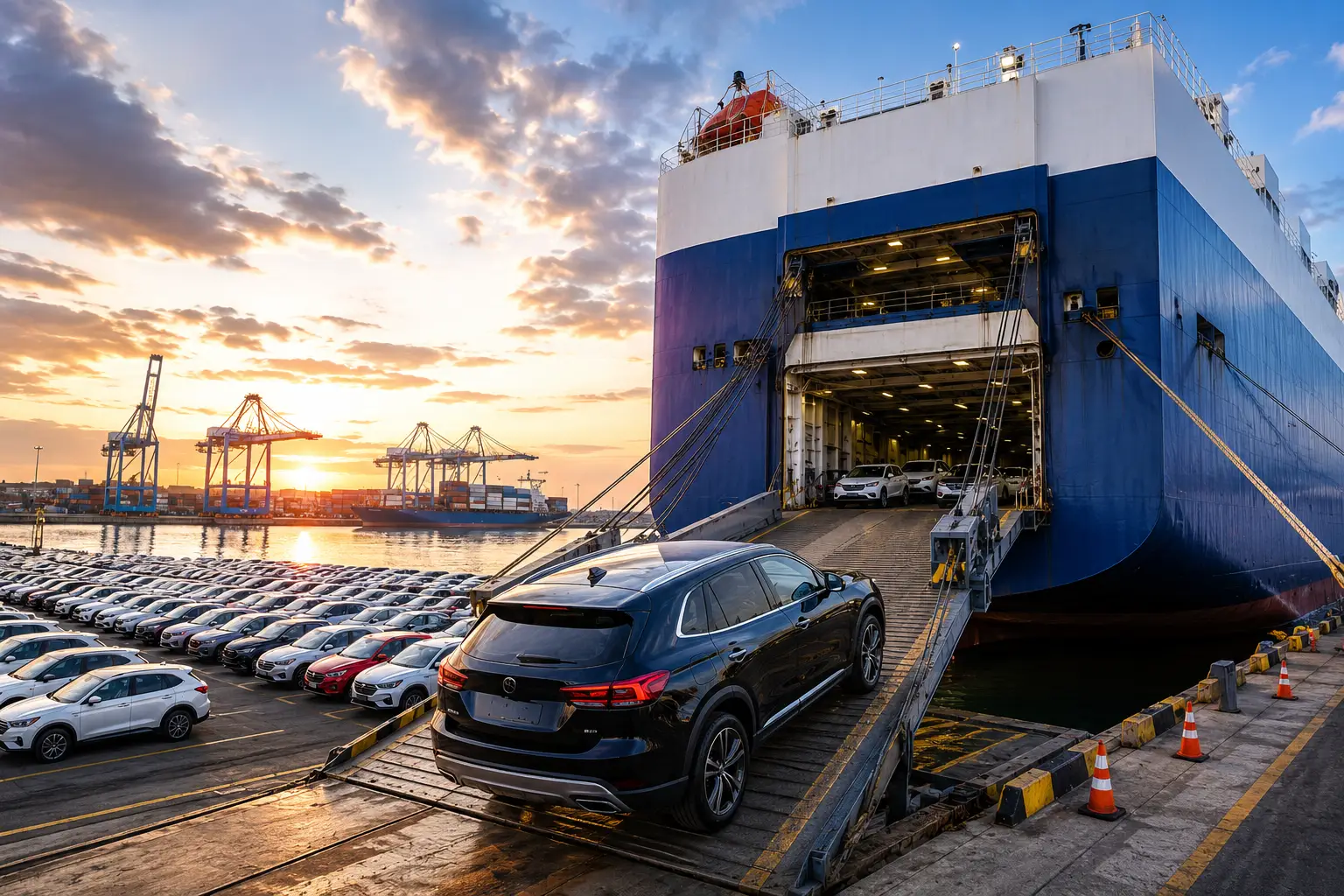
RoRo is the simple option. There are specialized drivers and they drive your car directly into the ship and park it in a tight row alongside hundreds of other vehicles and tie the chassis down to the steel deck. When the vessel docks at the destination, another driver simply starts it up and drives it off the ramp.
RoRo is usually the cheapest way to move a running car over long distances. However, there are a few strict rules you have to follow. The car must be in good working condition so it can be driven on and off the ramp without stalling. You are also not allowed to leave a single personal item inside the vehicle, no boxes in the trunk, no loose tools, and nothing sitting on the seats. The car needs to be completely empty, with just a quarter-tank of petrol in the fuel tank for safety reasons.
Getting Your Paperwork Straight Before You Ship
The ocean voyage itself is usually smooth sailing; it is bad paperwork that causes real nightmares. Missing documents or minor typos on official forms can stall your car at the docks for weeks, racking up massive storage charges every single day.
When organizing vehicle shipping Dubai agencies handle daily, clearing local customs and export authorities requires having all your legal ducks in a row well before the ship arrives. You will need to show clear proof of ownership, such as the original title or vehicle logbook, your passport copy, and an official clearance certificate from the local traffic authority showing that the car has zero outstanding traffic fines, no active bank loans, and no legal holds attached to it.
If you are buying a vehicle specifically to send overseas, you will also need the original bill of sale or purchase invoice showing exactly what you paid. Customs officials at the receiving port will inspect all the paperwork. You can save a lot of fuss at the port if you manage to translate these documents into the destination country's official language before the ship docks.
How to Prepare Your Car for the Journey
Now, this is a bit of work and you need to do all the prep work before transporting your vehicle.
- Give it a deep clean inside and out
- Document everything with photos
- Check for leaks and mechanical issues
- Fix your fluid levels and battery
- Remove all loose accessories
Navigating Export Rules and Regional Hubs
Over the past decade, a major car export UAE hub has grown into one of the busiest logistics networks on the planet, connecting vehicle factories and private owners and also commercial dealerships across continents.
Because the region moves such a high volume of traffic, local ports operate with high efficiency, but the administrative steps are strictly enforced. The local Roads and Transport Authority requires every exported car to undergo an official deregistration process. Once the car passes inspection and clears any outstanding financial dues, you will receive an official export certificate. Without this piece of paper, shipping lines will not allow the car through the port gates.
The Final Step
Once the vessel finally reaches the destination country, the process isn't quite finished yet. Your local receiving agent will notify you that the ship has docked and that the container or RoRo vessel is being unloaded.
You will need to pay local port handling fees, terminal charges, and whatever import duties and sales taxes the local government applies on imported vehicles. Customs officials will inspect the car to verify the chassis number matches your paperwork. They also ensure that no illegal goods are hidden inside. Once taxes are cleared and customs grants official release, you can drive the car away or hire a local flatbed truck to deliver it straight to your driveway.
Choosing reliable sea freight shipping gives you complete peace of mind, knowing your vehicle is handled properly until you get to turn the key at your new destination.
Frequently Asked Questions (FAQs)
1. How long does it usually take to ship a car by sea?
Transit times vary widely depending on the ocean route and whether the ship stops at other ports along the way. Direct regional ocean voyages might take 7 to 10 days, while shipping a car across major oceans between continents might take 3 to 6 weeks from the date the ship leaves port.
2. What happens if my car won't start when it arrives at the destination port?
If a car has a dead battery or won't start on a RoRo vessel, port workers will usually use jump starter packs to get it started. But carriers may charge an extra "non-runner" fee for handling vehicles that cannot move under their own power.
3. How are import duties and taxes calculated at the destination country?
Local customs authorities calculate duties and taxes based on the total value of the vehicle, usually combining the purchase price, the cost of ocean freight, and insurance costs. Rates vary dramatically from country to country, so always check the specific import laws of your destination before shipping.